Shopify blog

In retail, BOH stands for “back of house.” That includes non-customer-facing work like receiving, stocking, inventory, and operations. Front-of-house (FOH) roles cover the customer-facing sales floor.
When retail team members know what they’re responsible for and the area of the store they operate within, nothing falls through the cracks. Store visitors get the frictionless shopping experience that convinces them to buy.
Splitting your team into front of house and back of house is the simplest way to break down responsibilities and areas of the store. This guide explains the difference between the two, the retail positions associated with each, and the benefit of having both BOH and FOH teams in sync.
What does BOH stand for in retail?
Back of house (BOH) refers to any non-customer-facing employees, such as accountants or stockroom managers. These team members don’t interact with customers face to face. Instead, they manage store operations and keep things running smoothly from behind the scenes.
Examples of BOH tasks in retail
Common BOH tasks include:
- Receiving deliveries. Unloading shipments and verifying item counts and conditions against packing slips or purchase orders (POs). This step is crucial for flagging damages or shortages before items are staged for processing.
- Putaway and stockroom organization. Labeling specific locations and storing products in the correct bins. A well-organized backstock area ensures floor replenishment is fast and accurate.
- Inventory transfers. Managing the logistics of moving stock between store locations. This role keeps inventory counts accurate across your entire retail footprint.
- Cycle counts and physical inventory checks. Regularly counting subsets of inventory by SKU or category. These reconciliations are the primary defense against administrative errors and inventory shrinkage.
- Returns processing. Handling the operational side of returns. That includes inspecting items for damage, deciding whether to restock or quarantine products, and processing the transaction within your POS system.
- BOPIS fulfillment. Picking items for buy online, pickup in-store orders. BOH staff stage these orders in a designated area and mark them as ready for pickup to minimize customer wait times.
- Ship-from-store workflows. Using the store as a mini-fulfillment hub by picking, packing, and labeling parcels to be handed off to shipping carriers for home delivery.
- Back-office administration. Executing administrative functions such as employee scheduling, timekeeping, and high-level inventory management to keep the business compliant and profitable.
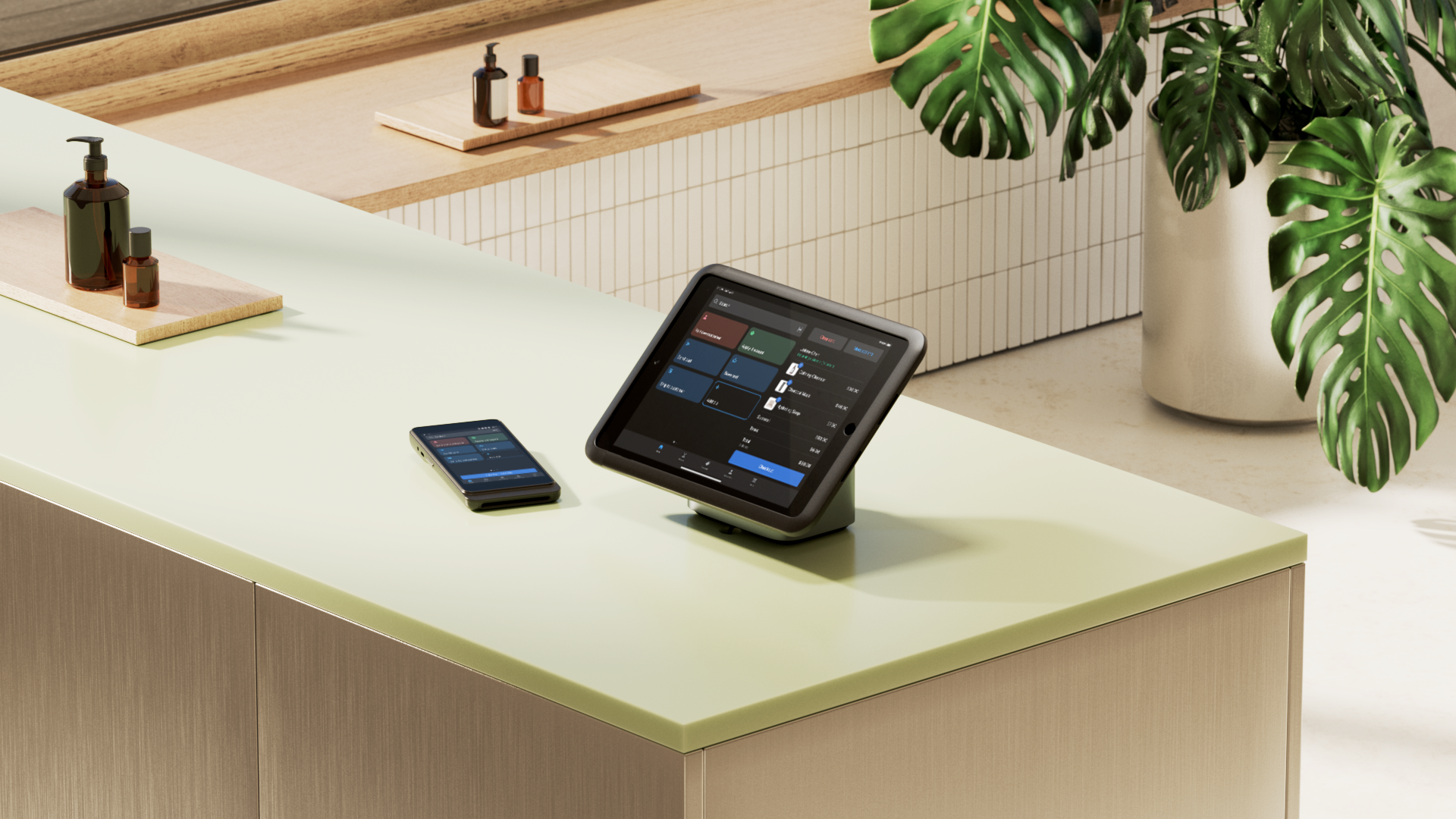
If you want your back of house to run smoothly, Shopify POS is the tool for you. It gives teams a single system to handle operational tasks like moving and reconciling inventory across locations and managing omnichannel fulfillment. Teams can also prepare and manage in-store pickup orders with notifications and order statuses, which is a classic backroom workflow for staging and handoff.
What is the front of the house?
Front of house (FOH) refers to any customer-facing employees in your store. It’s their job to create a friendly shopping environment, solve customer questions, and guide visitors toward a purchase.
FOH employees must possess excellent customer service skills. They must have good communication and negotiation skills because they are the frontline workers, dealing with customers face-to-face.
Examples of FOH tasks in retail
On the other side, FOH staff take on tasks like:
- Greeting customers. Welcoming shoppers the moment they step through the door. First impressions count, and setting a helpful tone makes customers feel comfortable during their visit.
- Product discovery. Identifying a shopper’s needs and recommending the right items. When a product isn’t available, FOH staff check other locations or place special orders to save the sale.
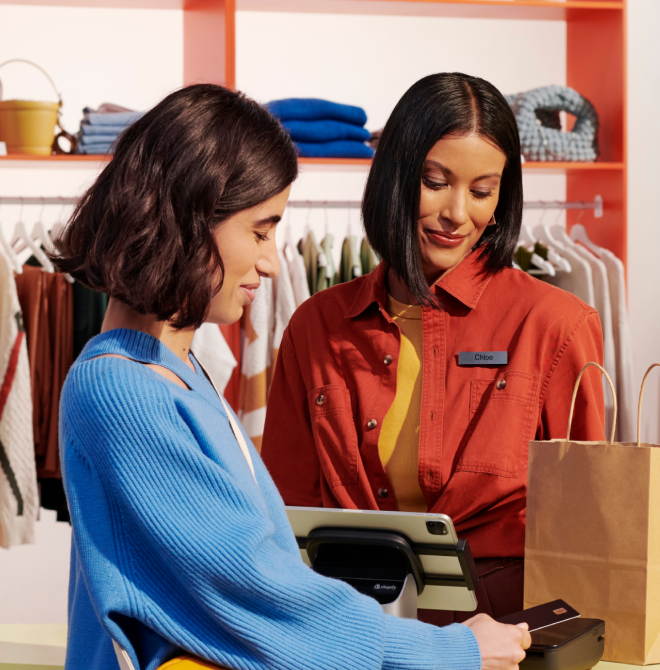
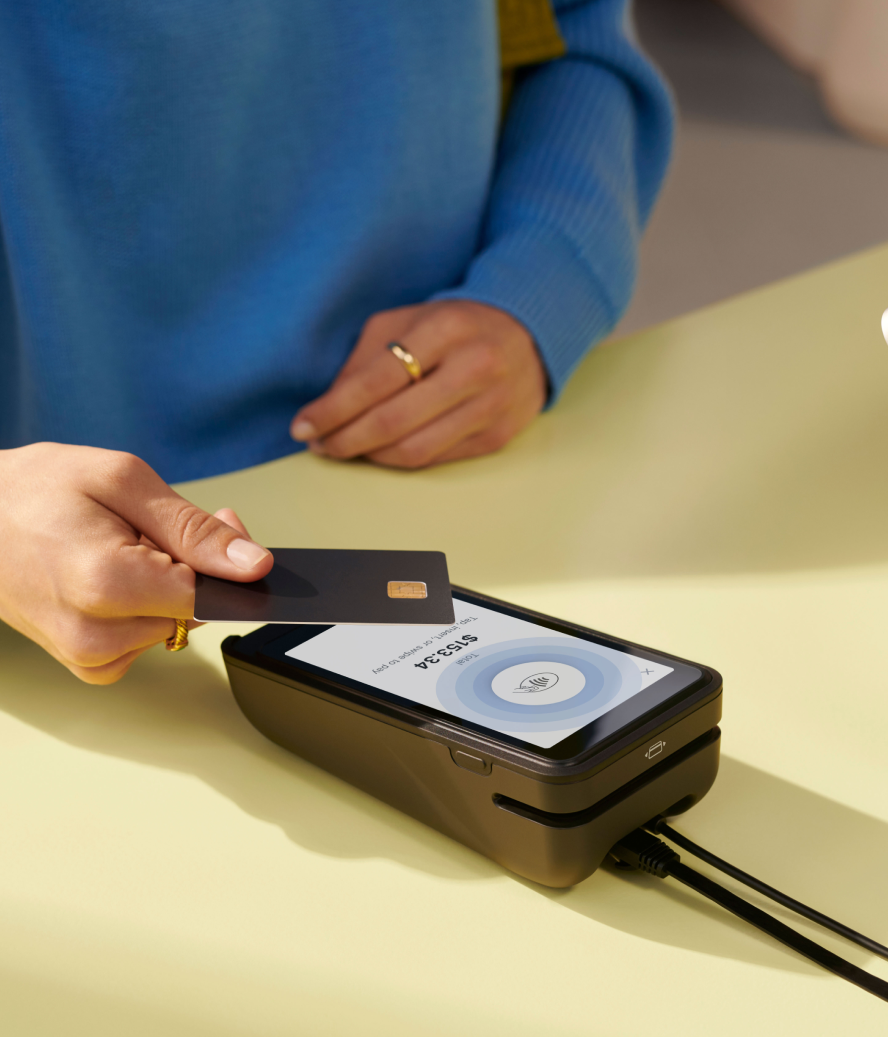
- Checkout and transactions. Managing the register for a quick and accurate exit. This includes scanning items and processing payments with ease.
- Returns and exchanges. Handling merchandise returns at the counter. Efficiently resolving these issues is key to maintaining high customer service standards.
- Sales floor recovery. Keeping aisles presentable and facing products. When shelves are tidy and products are pulled forward, the store remains easy for customers to shop.
- Visual merchandising. Arranging displays and feature tables to highlight specific products. Good merchandising improves product visibility and encourages foot traffic.
- Upselling and cross-selling. Suggesting complementary items to increase basket size. This helps the customer get a better outcome while increasing store revenue.
- Loss prevention. Staying alert to security risks while maintaining a welcoming environment. Following these procedures is the best way to reduce shrinkage on the sales floor.
For FOH teams, Shopify POS simplifies workflows, so your team can put more effort into clienteling. For example, staff search and scan products to add items to the cart instantly. The customizable Smart Grid allows you to pin high-use products and actions for faster service.
When you attach a customer profile to a cart, associates see purchase history and apply customer-specific rewards to further personalize the experience. Shopify POS also handles line-item discounts, refunds, and exchanges right at the counter, so associates can resolve issues on the spot.
FOH vs. BOH in retail
Say, for example, a customer visits your store looking for a new pair of sneakers. The shop floor only showcases one pair of each design. Your FOH retail associate helps the customer choose one.
Once a customer has decided, the retail associate goes to the stockroom and asks a BOH inventory specialist to find the same design in the customer’s shoe size. Both teams have worked together to try to make a sale, even though just one team member communicates with the customer.
Here are a few differences between BOH and FOH staff.
Location and customer interaction
The biggest difference is where the work happens and how customers are involved.
Front-of-house staff are customer-facing employees. They work in areas like the sales floor, fitting rooms, and checkout.
Those working in the back rarely come into contact with customers. You’ll find them in areas like the stockroom and receiving area, but that doesn’t mean they play any less of a role in your store.
Responsibilities and success metrics
FOH responsibilities are measured through selling and service outcomes. Retail metrics like conversion rate, average transaction value, and sales per square foot show if your sales floor is converting efficiently.
BOH performance is measured by operational efficiency. This includes metrics like inventory turnover and shrink rate. They are also responsible for keeping inventory accuracy high through automated tooling and physical stock counts.
Tools and systems
Both teams rely on unified commerce platforms to keep track of inventory, product, and customer data in real time. FOH uses the POS system more, which is designed for fast checkout and consultative selling. BOH analyzes POS data within the Shopify admin to make stocking decisions. It can also leverage Shopify POS software to manage inventory transfers and cash tracking, making reconciliation easier.
Common areas for FOH staff
There are many areas in the front of house that staff operate, including:
Entry
When new shoppers enter your store, first impressions count. Front-of-house employees should be there to greet potential customers, making them feel welcome and comfortable during their visit.
The entrance of your store is also a great opportunity to learn more about your potential customer. What drew them to your store? What are they looking for? What problems are they looking to solve? Answers to these questions help you fine-tune your sales approach.
Sales floor
The sales floor is your front-of-house team’s main focus. FOH retail associates should keep the area neat and tidy, optimize the store’s layout, and process payments at your designated checkout areas. It’s their job to guide first-time visitors toward choosing the right products and leaving with a purchase.
Changing rooms
Changing rooms are an important part of many shopping experiences. The ability to touch, try on, and interact with products influences 57% of people to do their initial shopping for a product in-store instead of online.
Whether it’s a virtual fitting room or a traditional changing area, FOH employees manage this space. It’s their responsibility to keep the area clean, move unwanted inventory back to the sales floor, and prevent theft.
Common areas for BOH staff
Back-of-house staff may have different duties depending on which area they are working.
Stockroom
Back-of-house retail staff manage your stockroom—the holding area for unsold inventory.
While customers don’t see your stockroom, it’s important to keep the area clean, clutter-free, and well organized. The easier it is to find a specific product, the faster it’ll be to provide a customer with the products they want to buy.
Warehouse
Larger retail stores, or those with multiple locations, often store inventory in an offsite warehouse. These storage areas can be much larger than any individual store, and come complete with their own BOH teams.
Warehouse staff—including quality control associates, inventory receivers, and machine operators—receive inventory and manage order fulfillment. They pick, pack, and ship items to a customer’s home address if the item the customer was viewing in-store wasn’t immediately available to take home.
Retail office
Think of your retail office as the hub for your back-of-house operations. Whether the office is in the back of your store or offsite, it’s the place for accountants, marketers, and buyers to come together and make sure the back end of your business runs smoothly.
FOH retail positions
Learn more about the different positions for front-of-house staff.
Retail associate
Retail associates are among the most important employees you can hire. Also known as sales associates, they’re front-of-house employees who deliver customer service and convince shoppers to purchase your products.
This type of FOH employee is responsible for:
- Greeting customers as they enter the store
- Restocking shelves and organizing inventory on the sales floor
- Answering product questions and guiding customers toward a purchase
Cashier
A cashier works at the checkout counter and processes customer orders. Train cashiers to use your point-of-sale (POS) system and to handle FOH tasks like:
- Creating customer profiles for new shoppers
- Recording sales to keep your inventory management system accurate
- Processing gift cards, returns, and exchanges
- Handling cash and processing card payments
- Analyzing POS data
Store manager
Retail store managers have ultimate responsibility for in-store experiences. They’re the first port of call for any issues that FOH staff are facing, and deal with unhappy customers who want to bypass a store associate and speak to a manager.
Alongside this responsibility, retail store managers:
- Manage employee schedules and create staff rotas
- Train new front-of-house staff
- Monitor store performance
- Enforce health and safety regulations
- Mitigate inventory shrinkage
Merchandising specialist
A merchandising specialist is responsible for making inventory look appealing to store visitors.
Visual merchandising tasks include:
- Creating window displays that increase foot traffic
- Answering product-specific customer questions
Promoting specific products in-store and through local marketing
BOH retail positions
Back of house requires different positions that come with different skills and experience.
Inventory specialist
An inventory specialist works in your stockroom. They’re one of the most important back-of-house team members your store has, since they handle products you generate revenue from. They’re in the trenches, physically touching your stock and ensuring it’s on hand for store shoppers.
It’s an inventory specialist’s job to:
- Forecast demand around peak seasons
- Analyze inventory reports and prioritize items to restock
- Implement a strategy to reduce inventory costs
- Keep up with inventory quality standards
- Prevent inventory shrinkage and theft
Stockroom manager
Stockroom managers are a valuable part of your BOH retail team since they keep stockroom operations running smoothly.
They’re responsible for larger scale, long-term tasks like:
- Running ABC analysis
- Maintaining health and safety standards in the stockroom
- Conducting physical inventory counts
- Auditing your inventory management system to confirm accurate stock levels
- Setting processes for receiving and organizing store inventory
Accountant
If the back end of your retail business runs like a well-oiled machine, there’s a good chance your accounting team is involved. Accountants handle the financial aspect of running the store.
It’s their job to:
- Pay suppliers and vendors
- Report on cash flow, profit, and loss
- Calculate beginning and ending inventory
- Set open-to-buy budgets
- File your store’s tax returns
How FOH and BOH teams stay in sync
With BOH and FOH working together, you can keep inventory accurate and orders moving faster. This requires documented processes for handoffs and communication.
Set up clean handoffs
A standard handoff process helps everyone work better together. FOH doesn’t have to explain every task, and BOH can execute on requests faster.
Set up a clean handoff process with:
- Standardized fields. Every request includes the SKU, quantity, customer name, and destination.
- Reason codes. Labels like “customer waiting” or “shelf gap” help BOH prioritize their work.
- A single queue. Use one prioritized task list for picks and replenishment.
- Exceptions. If BOH cannot find an item, they must log a specific reason, such as “damaged” or “mislocated.”
According to ECR Retail Loss’s 2025 findings, roughly 65% of SKUs have inventory record inaccuracy. Cleaner handoffs reduce the number of touches and manual errors that lead to discrepancies.
Open up communication between teams
Start every shift with a team huddle. Make it a five minute meeting to cover the top three priorities of the day, any inventory risks, and delivery cutoff times. At the end of each shift, include a note summarizing any changes and the tasks still pending for the next shift.
Zello’s Retail Communication Report shows that large retailers average about nine active channels per store, and about two-thirds of messages are sent in one-to-many channels. Use a shared system like Slack or Microsoft Teams to flag issues like inventory mismatches or a full staging area.
Use shared inventory
Items that are in your system but not on the shelf are referred to as phantom inventory. A system like Shopify can help stop these mistakes by sharing real-time inventory data between FOH and BOH.
When a BOH staff member scans an item out, the FOH associate sees that change instantly. Everyone can see the sellable inventory available, whether it’s accessible or allocated to holds or returns.
Global Payments found that one in four small retailers only realize they are out of stock when a customer tries to buy an item. Fixing your broken inventory records can drive an 11% increase in store-wide sales.
Better manage your store’s FOH and BOH operations
Although FOH and BOH are sorted into two different buckets, the old saying applies: Teamwork makes the dream work. Empower both teams to complete their responsibilities in their own area of the store, while also encouraging them to work together.
When both teams collaborate, store visitors get excellent shopping experiences—the types that make them more inclined to spend money at your retail location.
What does BOH stand for in retail FAQ
What does BOH stand for?
BOH stands for “back of house,” which is the non-customer facing work that goes into running a retail store. It includes, but is not limited to, accounting, stockroom operations, and inventory.
What are examples of back-of-house work in retail?
BOH work includes unloading delivery trucks, organizing the stockroom, and counting products to make sure the store doesn’t run out of items. It also involves packing online orders for shipping or pickup and handling office tasks like creating staff schedules and managing the store’s finances.
Which is harder BOH or FOH?
It really depends on the specific job and the individual’s experience. Both positions require a different set of skills and have their own unique challenges. BOH positions tend to be more physically demanding, as they involve a lot of time touching stock and keeping shelves stocked so the business runs smoothly. On the other hand, FOH positions are more customer-service oriented and involve more interaction with customers.
What is the difference between FOH and BOH?
FOH staff are responsible for providing the best customer experience possible and friendly shopping environment, while BOH staff are responsible for any non-customer-facing activities.